
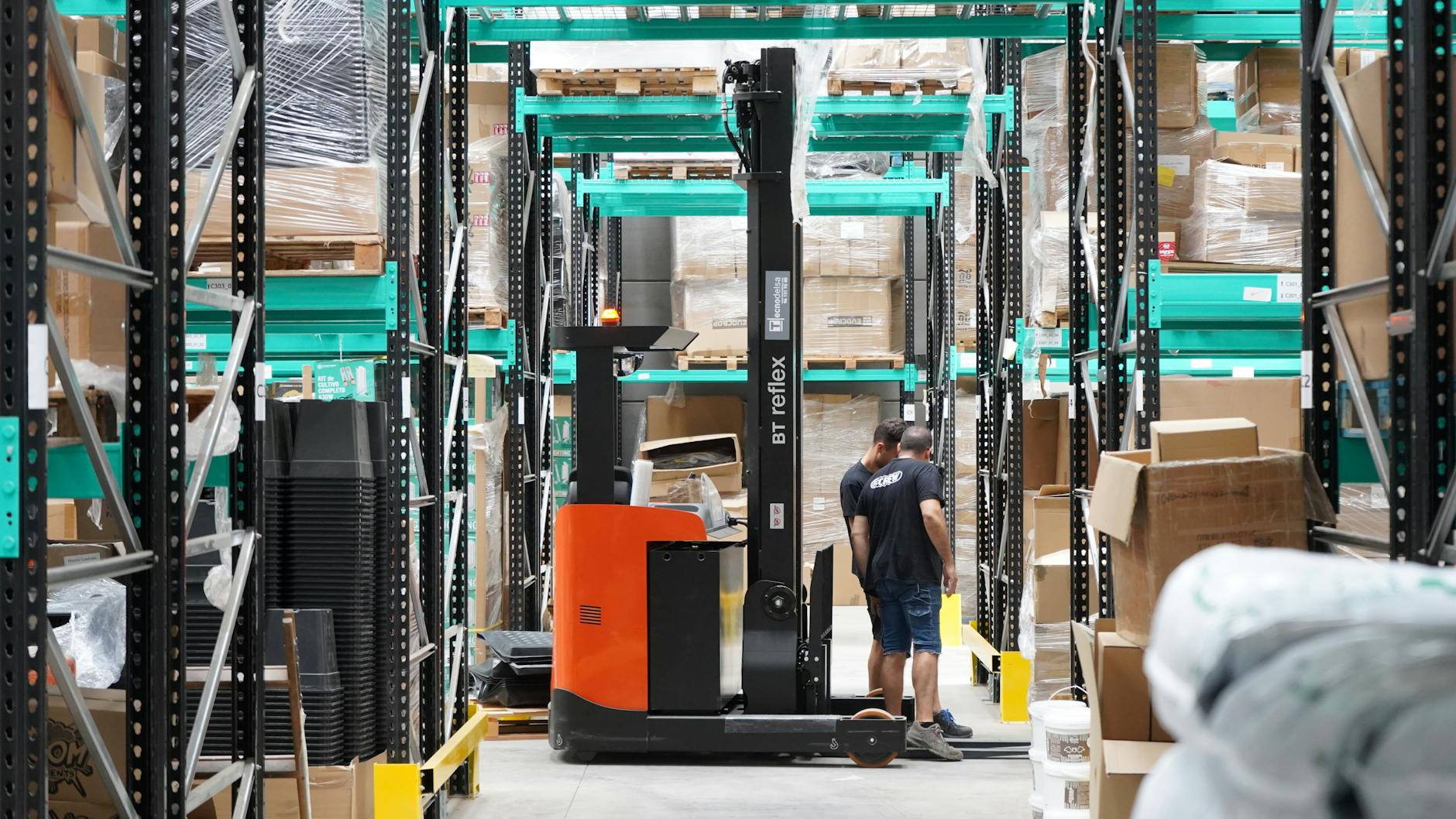
Supply chain operations in Texas have undergone a major transformation as automation, robotics, and advanced logistics systems reshape how work gets done. While automation has improved efficiency and scalability, it has also introduced new workforce challenges. In 2026, Texas employers must rethink how they recruit, train, and retain supply chain talent in a post-automation environment.
Success now depends on building a workforce that can adapt to technology while maintaining operational performance.
How Automation Is Changing Supply Chain Roles
Automation has reduced the need for manual, repetitive tasks but increased demand for workers who can operate, monitor, and troubleshoot advanced systems. Roles in warehouses, distribution centers, and logistics operations now require a mix of technical and operational skills.
Today’s supply chain workforce includes:
- Equipment operators with technical training
- Inventory and logistics coordinators using digital systems
- Maintenance and troubleshooting specialists
- Supervisors managing automated workflows
This shift requires employers to recruit candidates who are comfortable working alongside technology.
The Skills Gap in a Post-Automation Workforce
One of the biggest challenges facing Texas employers is the growing skills gap. While automation creates new opportunities, many candidates lack the technical experience needed for modern supply chain roles.
Employers are addressing this gap by:
- Providing on-the-job training and upskilling programs
- Partnering with staffing agencies to find qualified talent
- Prioritizing candidates with adaptability and willingness to learn
Focusing on trainable candidates helps organizations build a workforce that can evolve with technology.
Balancing Automation with Human Labor
Despite advances in automation, human workers remain essential to supply chain operations. Tasks such as problem-solving, quality control, and coordination still require human judgment.
Texas employers must strike the right balance by:
- Using automation to improve efficiency
- Retaining skilled workers for critical tasks
- Creating workflows that integrate technology and human input
This balance ensures both productivity and operational resilience.
Staffing for Flexibility and Demand Fluctuations
Supply chain demand can change quickly due to market conditions, seasonal trends, and customer needs. Flexible staffing models allow employers to scale their workforce as needed.
Temporary and contract staffing solutions help organizations:
- Manage peak demand periods
- Maintain productivity during fluctuations
- Reduce long-term labor costs
- Quickly fill gaps in critical roles
Flexibility is essential for staying competitive in a fast-moving supply chain environment.
Improving Retention in a Changing Workforce
Retention remains a challenge in supply chain roles, especially as job requirements evolve. Employees are more likely to stay when they feel supported and have opportunities to grow.
Texas employers are improving retention by:
- Offering training and career advancement opportunities
- Creating safe and efficient work environments
- Providing competitive compensation and incentives
- Communicating clearly about job expectations and growth paths
Investing in employees helps build a more stable and engaged workforce.
The Role of Staffing Partners in Modern Supply Chains
Staffing partners play a key role in helping employers navigate post-automation challenges. With access to talent pipelines and knowledge of local labor markets, they can quickly identify candidates who meet evolving skill requirements.
They also help manage recruiting, screening, onboarding, and compliance, allowing internal teams to focus on operations.
Partnering with a Texas Staffing Expert
Burnett Specialists helps Texas employers build supply chain teams that thrive in a post-automation environment. From warehouse staffing to logistics and distribution roles, we connect organizations with talent that can adapt to modern operational demands.
Ready to strengthen your supply chain workforce?
Request information today and learn how Burnett Specialists helps Texas employers stay competitive in 2026.